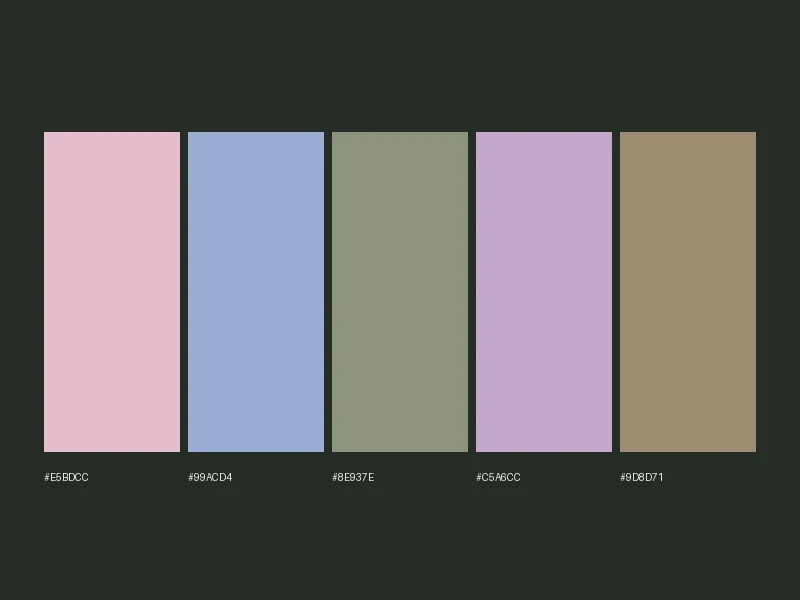
Color palette
Colors that remember
Faded blues, pool-water turquoise, butter yellow. Soft pastels with a little distance.
For places you’ve never been.
And feelings you already know.
Dreamcore is the aesthetic of familiar places made dreamlike — empty pools, strange skies, and memories that never quite happened.
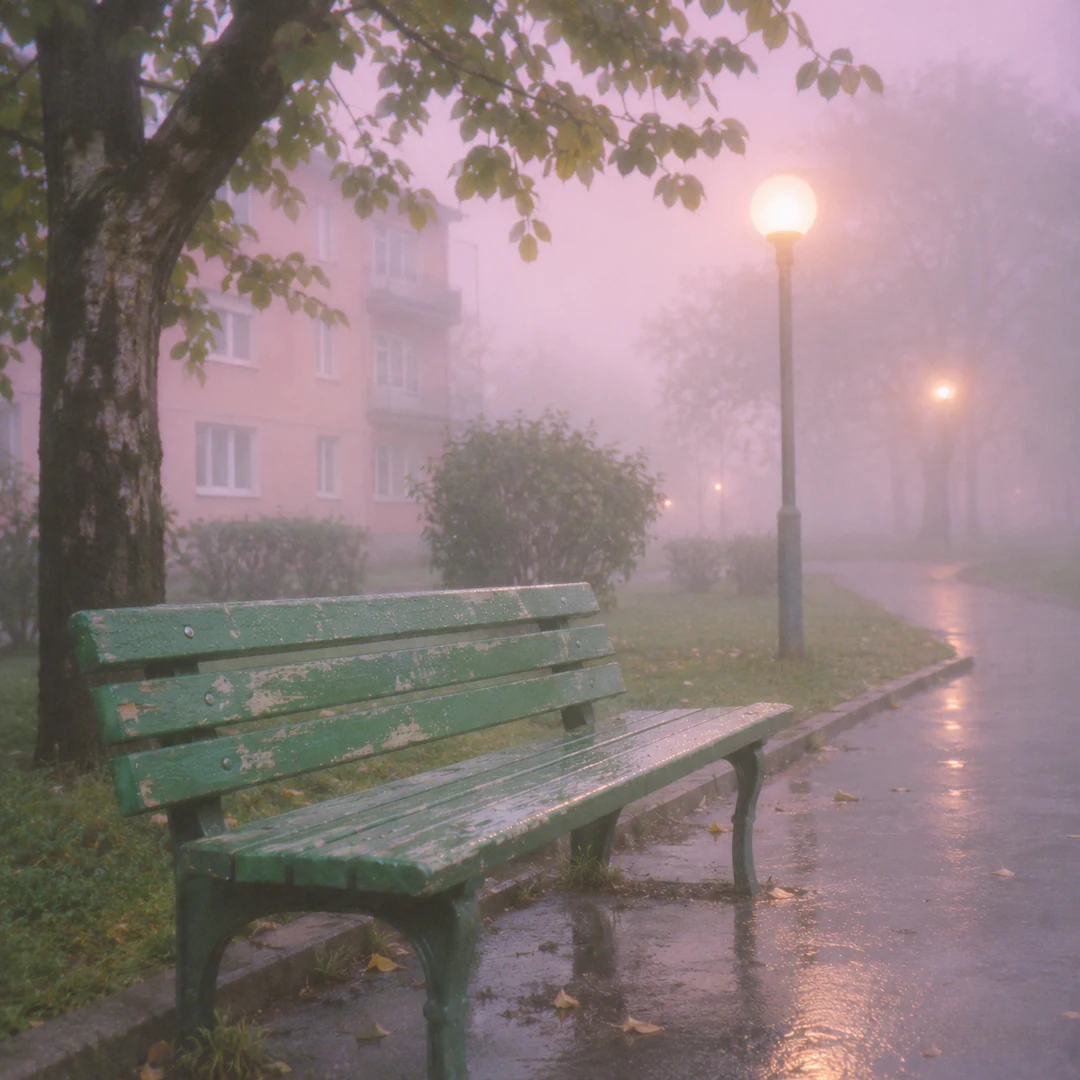
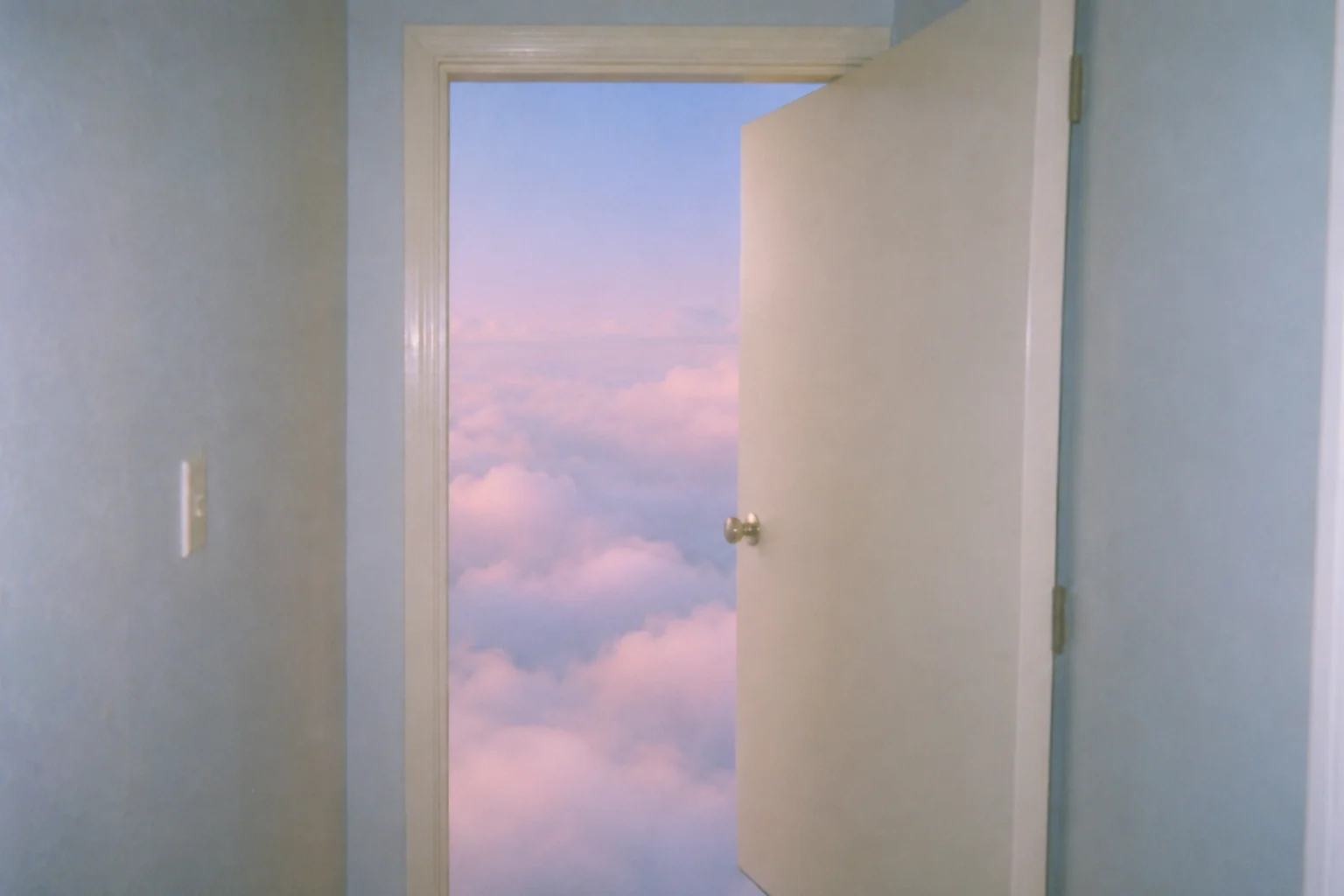
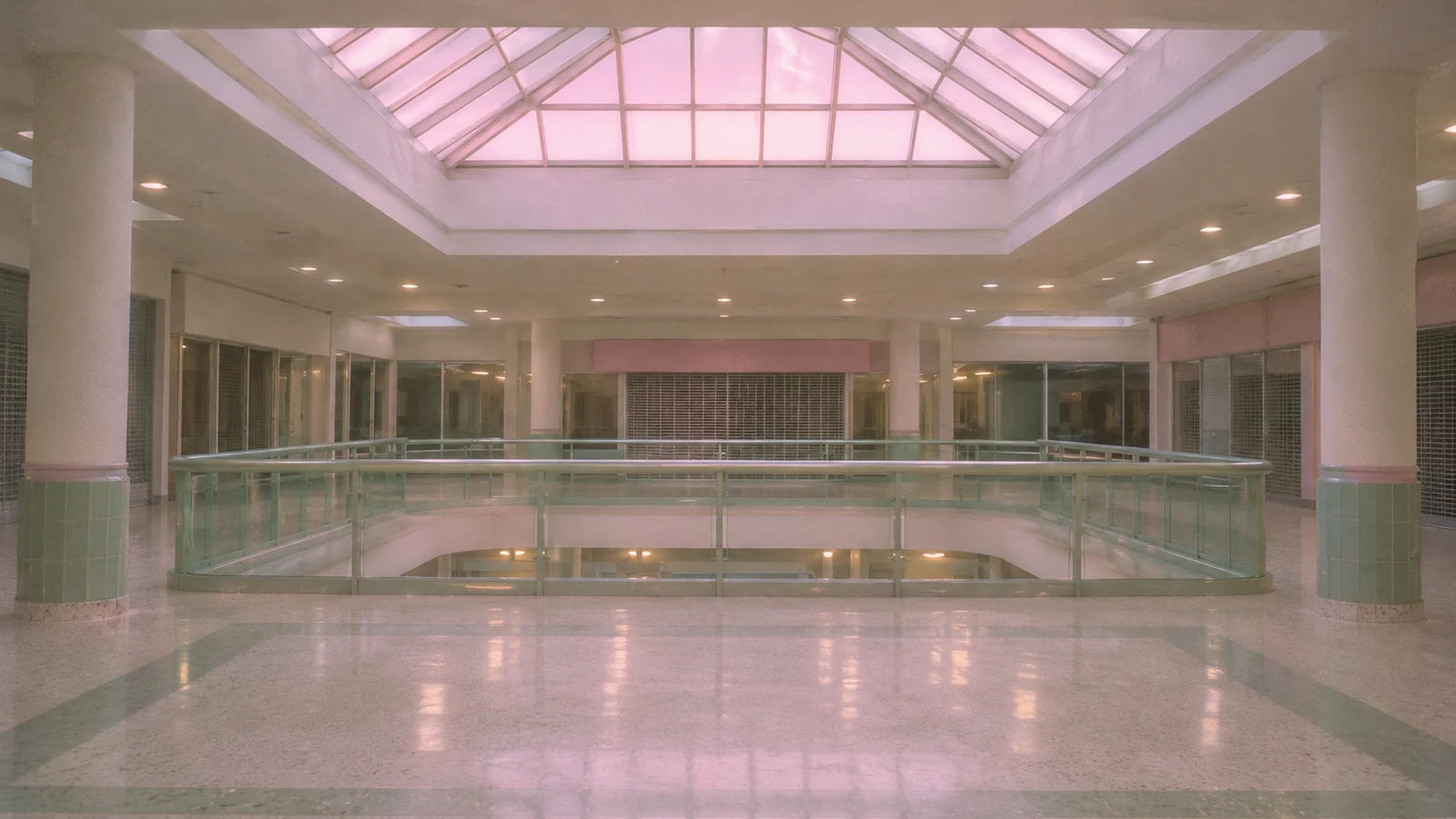
30 ways to get a little lost.Wallpapers, backgrounds & visual daydreams.
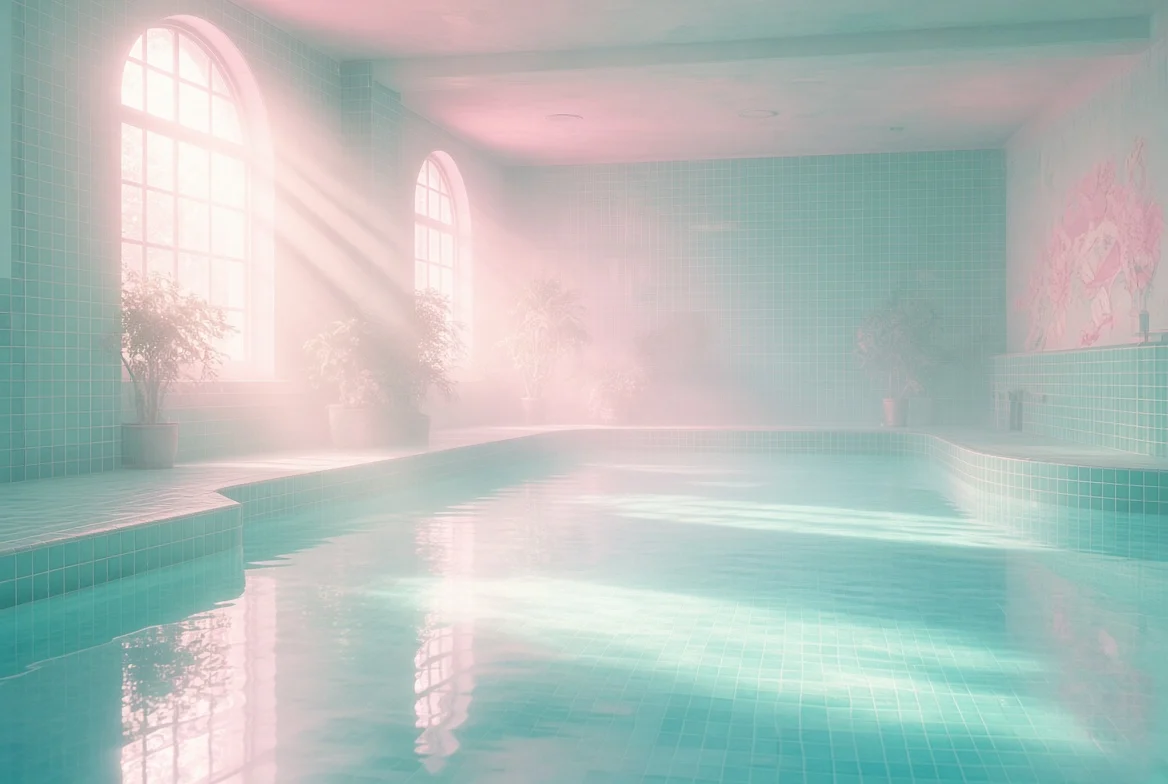 A way into somewhere else
A small guide to the feeling.
The dreamcore aesthetic turns ordinary places into something just beyond waking life. Think of a swimming pool with no swimmers, an endless hallway, or a childhood room washed in evening light. The setting feels recognizable, but a detail is slightly out of place. That tension — between comfort and uncertainty — is where the dream begins.
The dreamcore aesthetic draws on the visual language of memories: soft color, blurred edges, low-resolution photographs and light that seems to come from another afternoon. It isn’t one filter or a strict set of rules. Some images are gentle and playful; others are lonely or quietly unsettling.
Online, dreamcore overlaps with surreal art, nostalgic internet imagery and photographs of liminal spaces. A photograph can suggest the feeling without containing anything impossible. An empty room, a distant horizon or a familiar object seen in an unfamiliar way can be enough.
This collection pairs dreamlike imagery with a guide to the visual ideas behind it. Use it to build a moodboard, explore a palette or find a starting point for your own work. You don’t need to recognize the place. You only need to recognize the feeling.
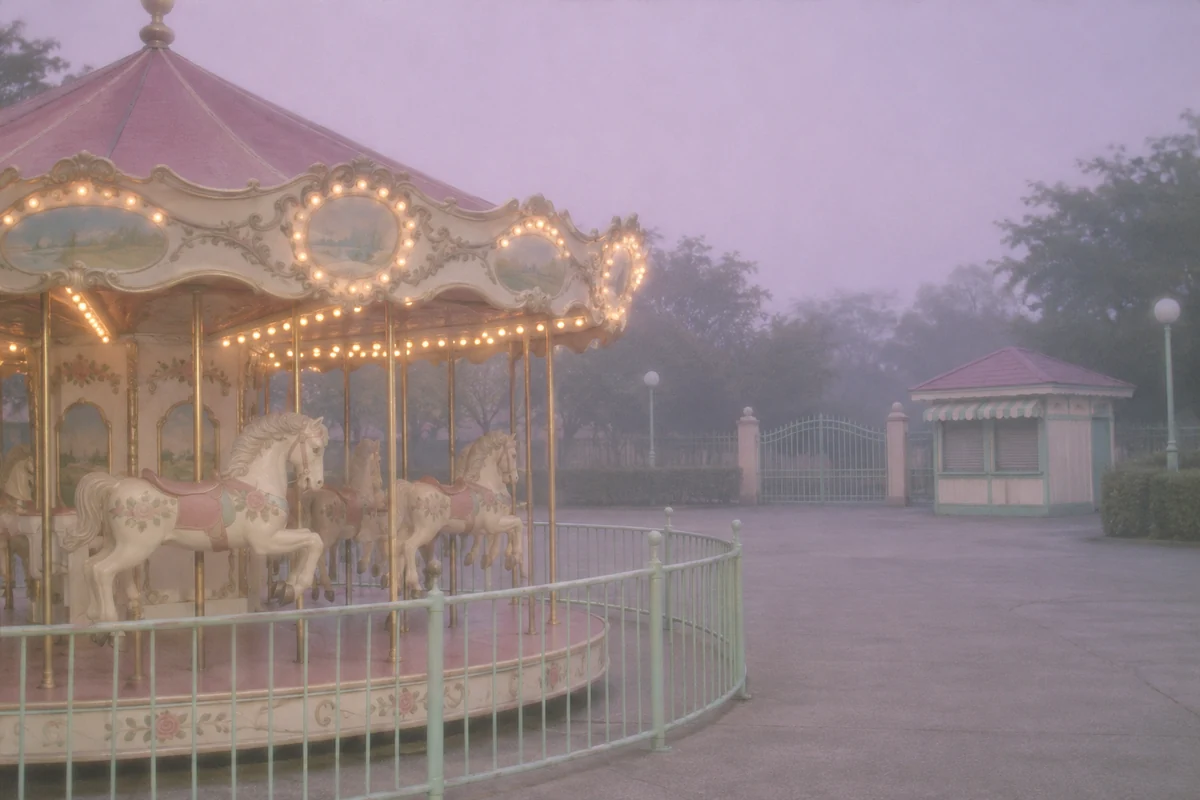
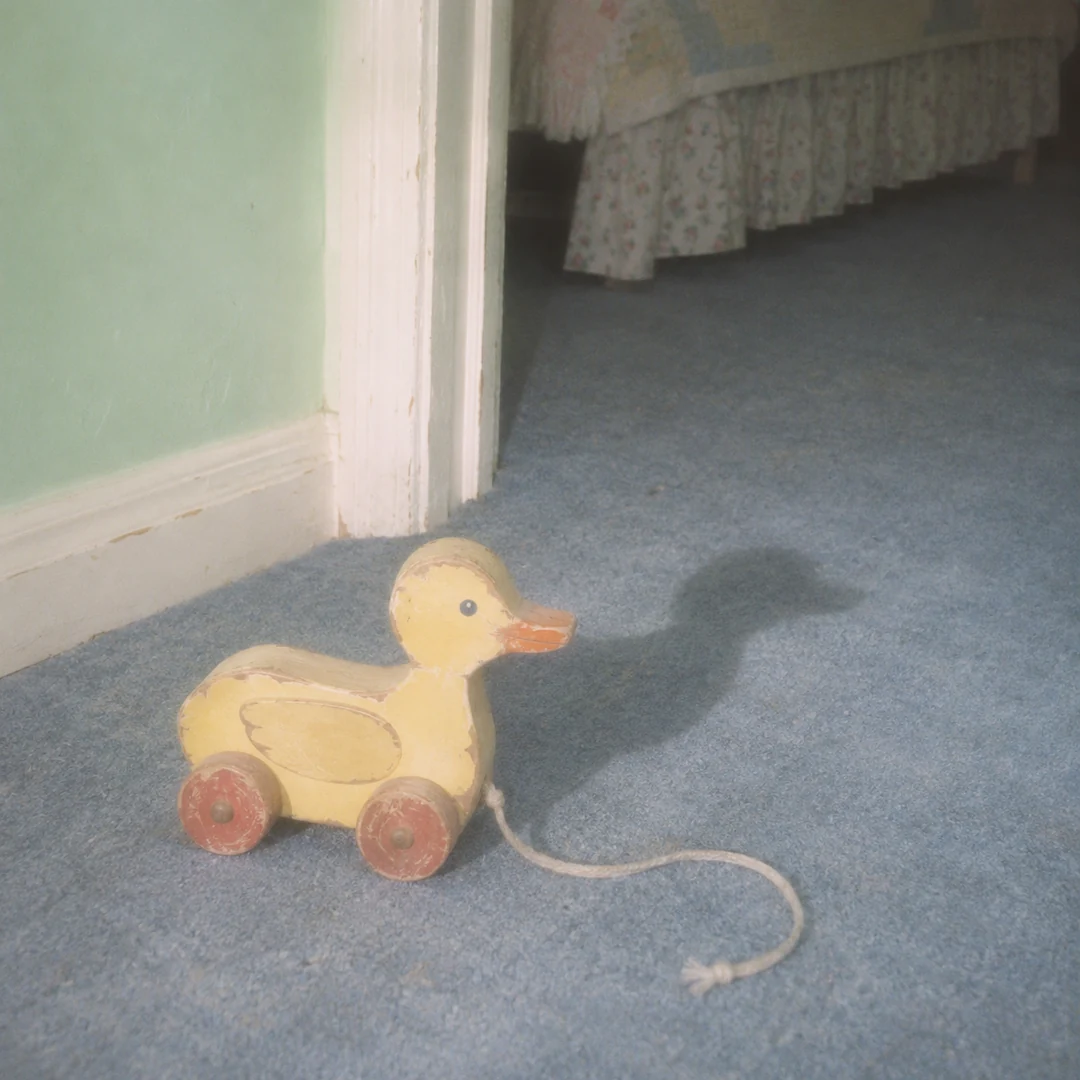
Four things to look for.
Color palette
Faded blues, pool-water turquoise, butter yellow. Soft pastels with a little distance.
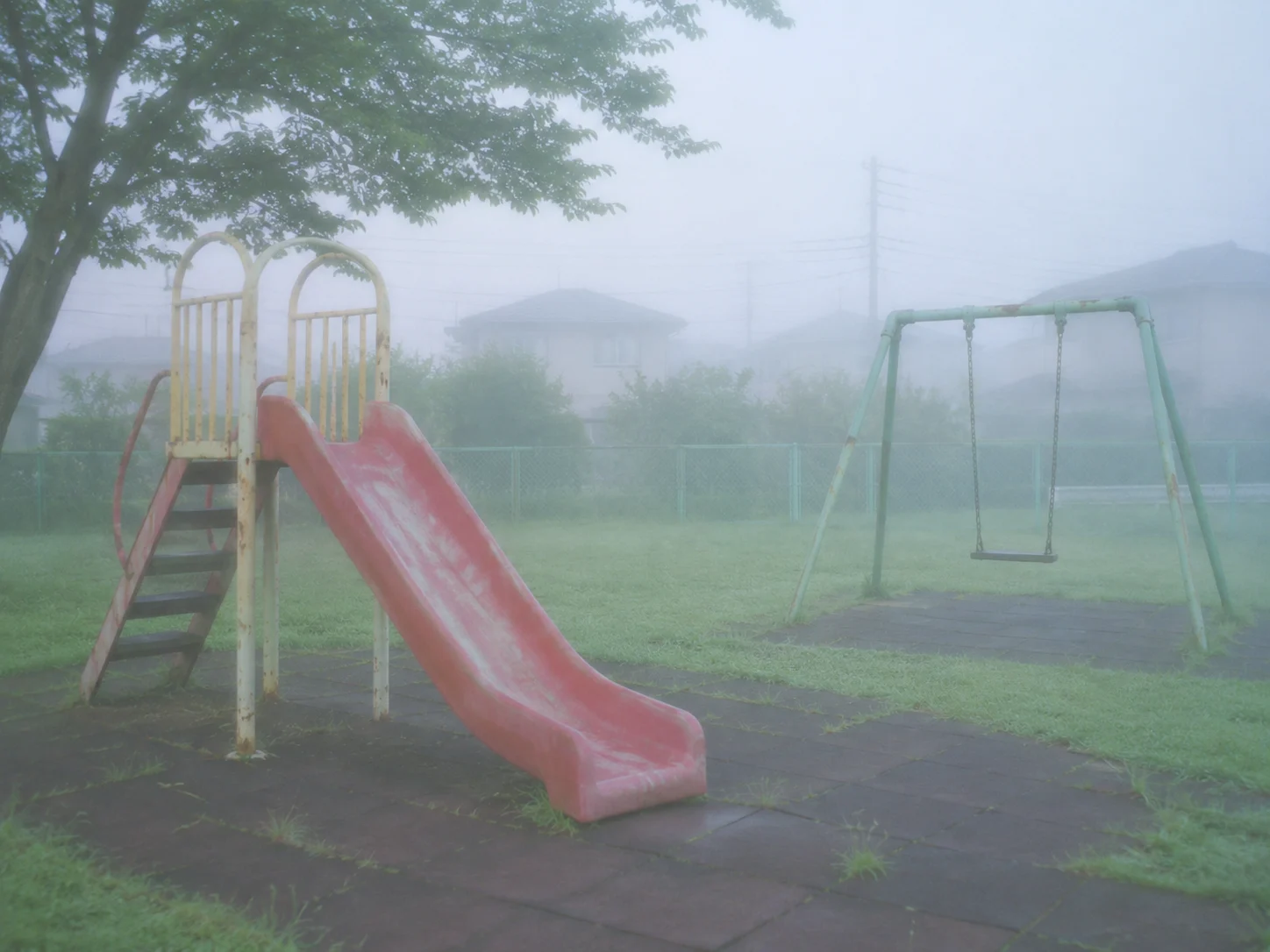
Recurring motifs
Pools, corridors, old televisions. Everyday places and objects, with everyday life removed.
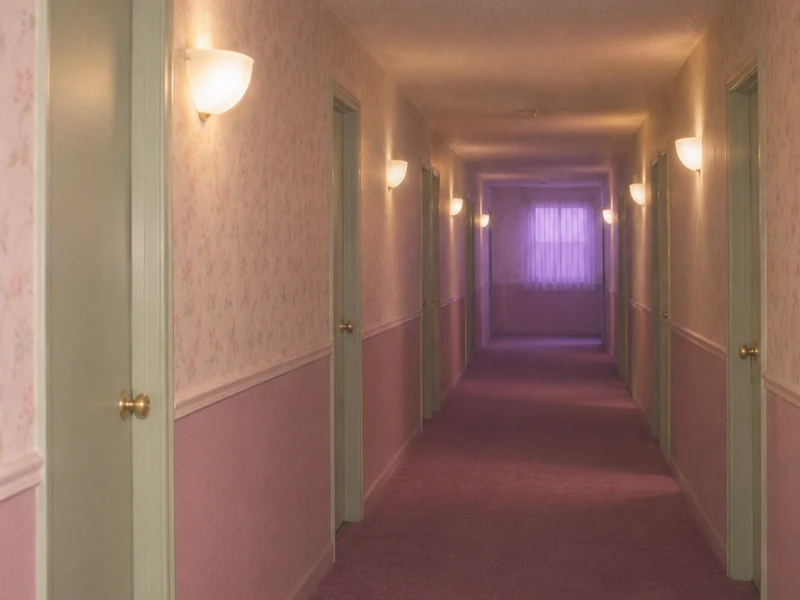
Composition
Long perspectives, open space, unusual scale. Let what is missing do some of the talking.
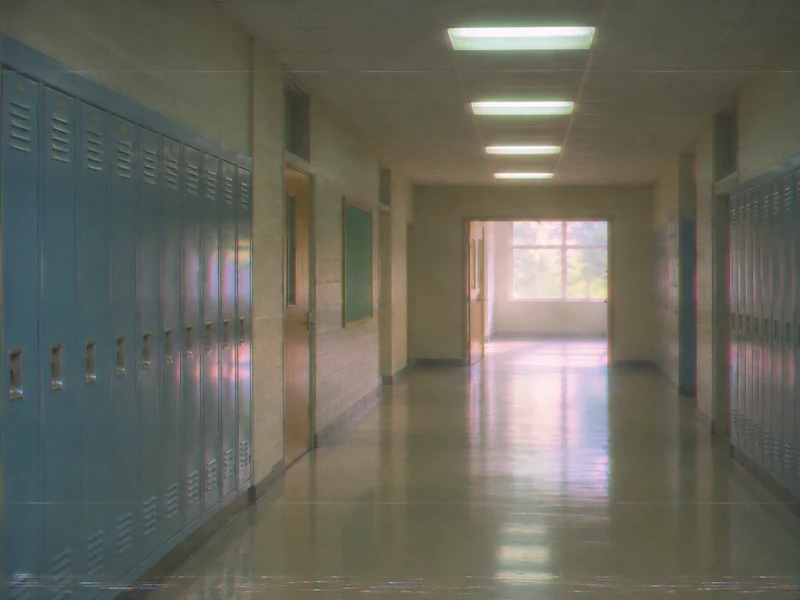 have we been here before?
Typography
Plain type, a fragment of a sentence. Language that feels found rather than explained.
A collection of places, palettes, and almost-memories.
Showing all 30 images
Collected for the feeling.Pastel pool rooms Backgrounds
Empty malls Backgrounds
Liminal hallways Wallpapers
Quiet places Art
Analog spaces Backgrounds
Pool rooms Wallpapers
Everyday spaces Art
Hotel corridors Wallpapers
Endless corridors Backgrounds
Impossible spaces Art
Liminal spaces Backgrounds
Almost-memories Wallpapers
Analog nostalgia Art
Childhood places Art
School memories Wallpapers
In-between places Art
Quiet stairwells Wallpapers
Foggy woods Backgrounds
Nostalgic playrooms Art
Amusement parks Wallpapers
Impossible doorways Wallpapers
Blue hour Art
Pink skies Wallpapers
Childhood places Backgrounds
Liminal spaces Wallpapers
Childhood objects Art
Dreamlike nostalgia Art
Blue hour Wallpapers
Quiet classrooms Backgrounds
Childhood rooms Wallpapers
Try a different word or explore the whole collection.
Thirty images. Real places, impossible feelings. Outfits and music are still on the horizon. View image sources & rights
Dreamcore, weirdcore, and liminal space
often meet. Here’s where they part.
| Aesthetic | Color | Scene | Feeling |
|---|---|---|---|
| Dreamcore | Soft pastels, faded blues | Dreamlike familiar places | Nostalgia, wonder, unease |
| Weirdcore | Clashing tones, digital noise | Distorted images, strange text | Disorientation, absurdity |
| Liminal space | Muted, fluorescent, neutral | Empty transitional spaces | Stillness, anticipation, isolation |
These aesthetics overlap. The feeling matters more than the label.
There’s no right way to feel a dream.
Dreamcore is an internet aesthetic that uses dreamlike images, familiar spaces and unusual combinations to create a feeling of half-remembered nostalgia. Empty pools, strange skies and quiet rooms are recurring motifs.
They overlap, but dreamcore often feels hazy, nostalgic or gently surreal. Weirdcore more often uses distortion, low-resolution graphics and disorienting text. These are community descriptions, not fixed rules.
A liminal space is a place of transition: a corridor, waiting room, stairwell or empty shopping mall. In imagery, its usual activity is often absent, making an ordinary place feel suspended in time.
You can open any image at full size. These 30 images were supplied for this collection. Their inclusion does not establish a public reuse license; check the image sources and rights page before using an image elsewhere.
Start with a familiar scene, soften the colors and light, and introduce a small contradiction: an unexpected scale, a misplaced object or an impossible view. Keep the atmosphere intentional rather than adding random effects.
Familiar places can suggest personal memories without matching any one memory exactly. Empty scenes and unusual details create a gap between recognition and uncertainty. Different viewers may find that comforting, eerie or both.
Those collections have not been published yet. This first edition includes 30 visual images in Wallpapers, Backgrounds and Art. It does not host audio tracks or sell clothing.
The first 30 WebP images were supplied by the site owner for this collection. They are served as local static assets. The sources and rights page records the supplied files without inventing authorship or a reuse license.
Some places stay with you.
Even the ones you’ve never been.